
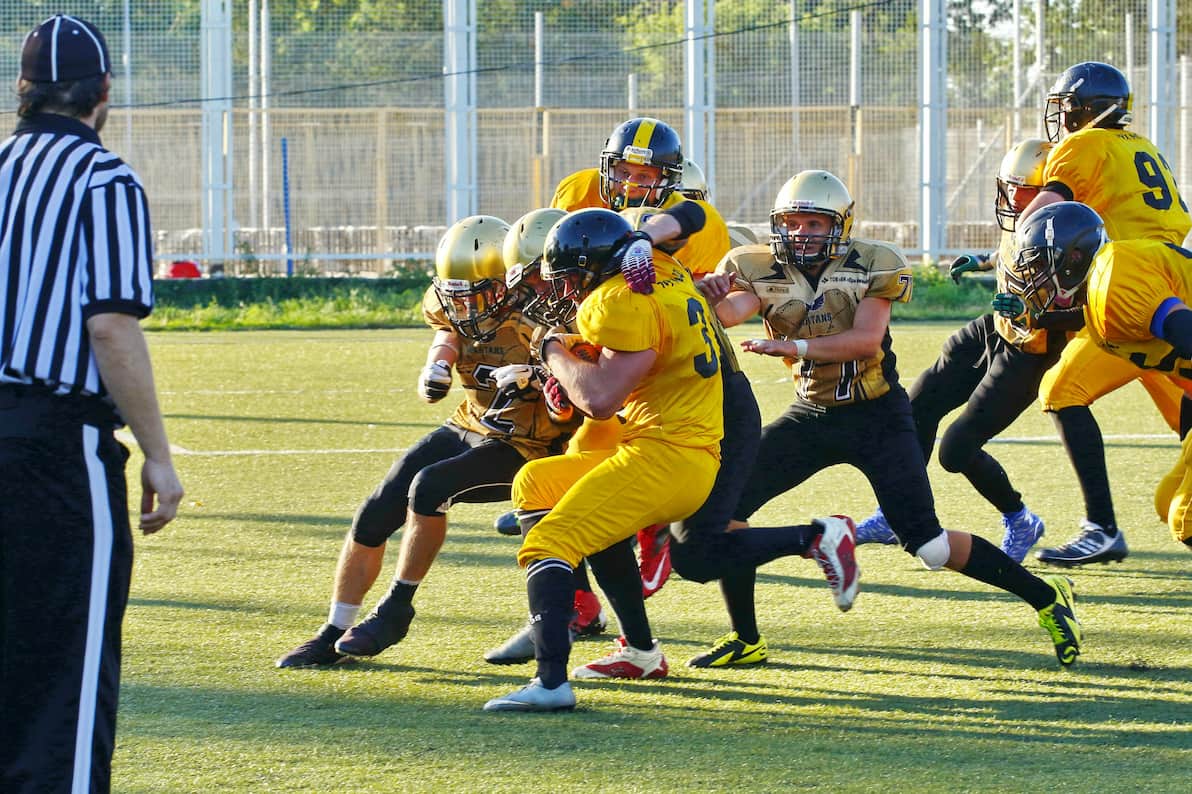
Mascots are usually treated as fun props — costumed entertainers who dance on the sideline and pump up the crowd. But data from several teams across sports suggests something stranger: teams often change performance patterns after switching mascots. It isn’t superstition. It’s psychology, identity, and branding colliding with competitive performance — and bettors at 22Bet have begun to notice.
A Mascot Signals More Than Costume
Mascot changes aren’t random. They usually appear during rebrands, leadership shifts, ownership turnover, or culture resets. When the image on the sideline changes, it reflects deeper changes behind the scenes. A bettor looking closely sees the mascot as a signal of transformation inside the organization.
When the Costume Predicts the Season
A new mascot → new identity. New identity → renewed confidence. Renewed confidence → aggressive play. Aggressive play → unexpected wins. The shift begins in emotion, then turns into results.
Mascot Changes Reflect Internal Pressure
Teams don’t update mascots during stability. They do it when something is wrong. It may be declining attendance, morale issues, a losing culture, or a franchise desperate for loyalty. A mascot becomes a psychological reset button — not for fans only, but for players and coaches too.
Why Players Respond to Mascots More Than Fans Do
Athletes perform in front of thousands of people. The mascot is the closest symbolic representation of team identity they see. A mascot that looks fierce, modern, or energized can subtly encourage aggression and commitment. One that looks goofy or outdated can trigger embarrassment or disconnection.
Why Betting Markets Ignore Mascots
Sportsbooks track statistics and injuries. They don’t track symbolism. Mascot changes don’t show up in traditional data, so lines rarely adjust. That delay is where sharp bettors exploit value. When a mascot appears, it isn’t just a costume — it’s a sign of morale swing.
Positive Mascot Changes Aren’t Random
Teams often win more after introducing energetic, intimidating, or modern mascots. The change creates:
• greater team confidence
• louder fan engagement
• higher organizational optimism
• more unified community identity
Each effect is subtle, but together they shift performance enough to affect results.
Home Games React First
Mascot energy matters most at home. The new image is in every photo, every chant, every jumbotron angle. Players feel connected to the change before the audience does. Bettors who track home performance after mascot updates often find patterns the public misses.
Why the Effect Fades Over Time
Mascot-driven energy doesn’t last forever. The first season shows the biggest spike because excitement and identity change collide. By the second season, the novelty wears off. By the third, the effect is gone — unless performance has built new confidence independently.
Social Media Magnifies Mascot Impact
Fans don’t just meet mascots in stadiums. They meet them online. A mascot that goes viral → strengthens identity. A mascot that becomes a meme for the wrong reasons → damages morale. Bettors now follow social sentiment instead of just injury lists and press conferences.
Mascots Matter Most to Teams With Identity Issues
Stable, winning teams are rarely affected by mascot changes. Their culture is already established. But teams suffering from repeated losses or public embarrassment depend heavily on symbolism. Mascots help them rewrite the story. Bettors who understand narrative psychology read mascot changes not as costume replacements but as turning points.